SUSTAINABLE AGRICULTURE
Our Sustainable agriculture in Kasese focuses on improving food security, income, and environmental health through climate-smart and resource-efficient practices.
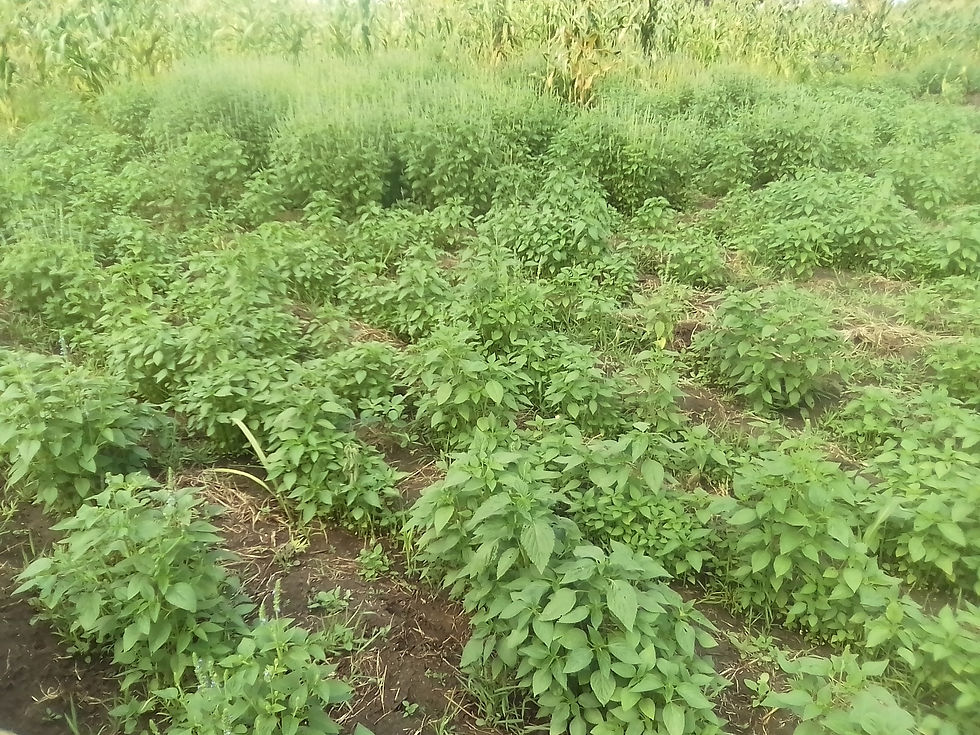
The region’s fertile soils and two rainy seasons support diverse farming activities, including crop cultivation, livestock rearing, and agroforestry. Key crops include Vanilla, bananas, coffee, cassava, and maize, often grown using intercropping and organic composting methods to enhance soil fertility.
Agroecological methods—such as terracing on hillsides, mulching, and water harvesting—help reduce erosion and maintain moisture. Smallholder farmers increasingly adopt integrated farming systems combining crops with livestock and poultry to maximize resource use. In addition, mushroom cultivation using agricultural waste (e.g., cotton husks, maize cobs) is gaining popularity for its low input and high returns.
Community groups and NGOs promote conservation farming, tree planting, and the use of improved, drought-tolerant seed varieties. These efforts help address challenges like climate change, land degradation, and poverty.
Women and youth are especially targeted in training programs to boost livelihoods and household resilience.
Market access remains a challenge, but cooperatives and local value addition (e.g., drying produce, small-scale processing) are improving incomes. Overall, sustainable agriculture in Kasese blends traditional knowledge with modern techniques to support food production, environmental stewardship, and rural development.